What to Expect During a Commercial Foundation Inspection
People searching for what to expect during a commercial foundation inspection can rely on local service providers to assess foundation health and identify potential issues.
Understanding what to expect during a commercial foundation inspection can provide peace of mind for property owners in the area. These inspections are designed to assess the stability and integrity of a building’s foundation, helping identify potential issues early before they develop into costly repairs. If you own or manage a commercial property, knowing the typical process can help you prepare for what’s involved and ensure your property remains safe and structurally sound.
Local service providers specializing in foundation inspections bring valuable expertise to the process, offering thorough evaluations tailored to your specific property. Whether you’re concerned about signs of settling, cracks, or other structural concerns, these professionals can provide insights into the condition of your foundation. Keep reading to learn more about what happens during a commercial foundation inspection and how trusted local contractors can support your property’s long-term stability.
- Commercial building owners - when signs of foundation issues arise, local contractors conduct thorough inspections to assess structural integrity.
- Property managers - during routine evaluations or before major renovations, service providers perform foundation inspections to identify potential concerns.
- Business developers - prior to purchasing or leasing a commercial space, local pros evaluate the foundation to ensure stability and safety.
- Construction companies - during new construction or renovation projects, specialists inspect foundations to confirm proper installation and identify issues early.
- Real estate investors - when evaluating commercial properties, service providers perform foundation assessments to inform investment decisions.
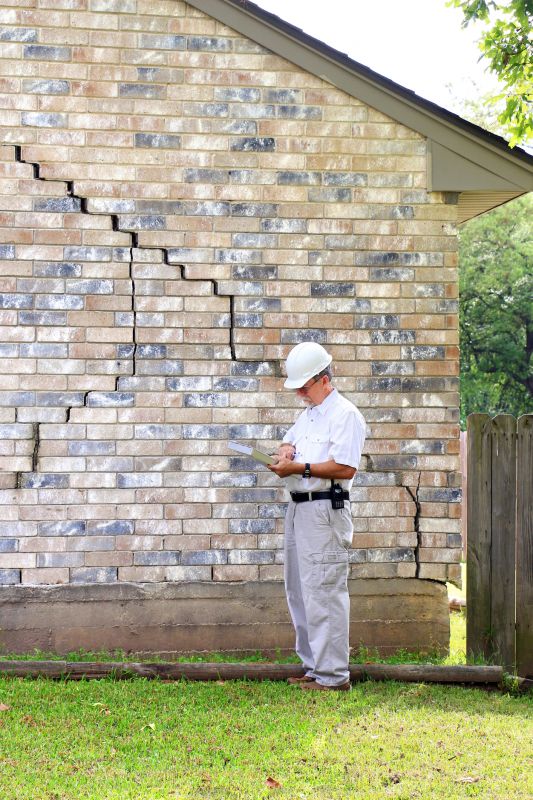

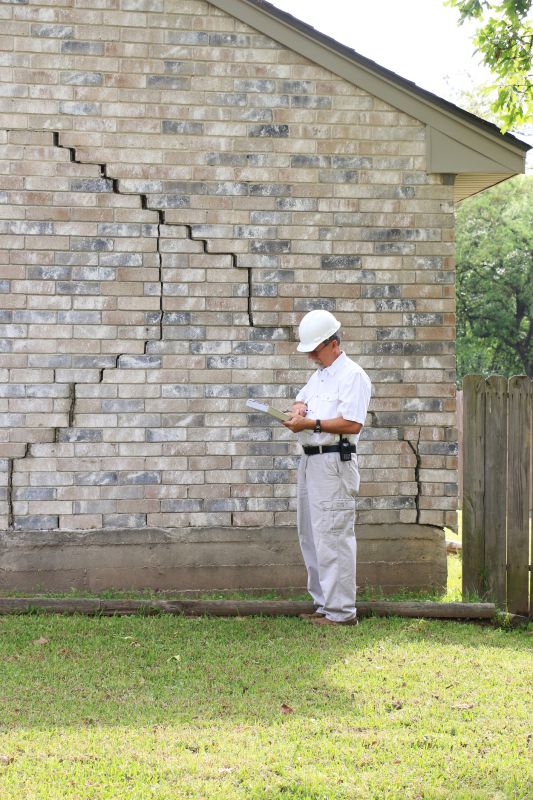
When people search for what to expect during a commercial foundation inspection, they are often considering the structural integrity of a building used for business purposes. This type of inspection is typically sought when purchasing a commercial property, experiencing signs of foundation issues, or planning renovations that require a thorough assessment of the building’s stability. Property owners and managers want to understand the scope of the inspection process, what areas will be examined, and how the findings might impact their investment or maintenance plans. Knowing what to anticipate helps clients prepare for the inspection and ensures they receive a comprehensive evaluation from experienced service providers.
Commercial foundation inspections are closely related to identifying potential problems such as uneven settling, cracks in the foundation or walls, and signs of water damage or erosion. These issues can compromise the safety and usability of a property, leading to costly repairs if left unaddressed. Conversely, inspections can also confirm that a foundation is in good condition, providing reassurance for buyers or tenants. Property owners may also request inspections as part of ongoing maintenance or before undertaking major construction projects to ensure the foundation can support future modifications. Local contractors specializing in foundation assessments are equipped to evaluate these concerns thoroughly and provide guidance on necessary repairs or reinforcement.
The types of properties that typically undergo commercial foundation inspections include retail stores, office buildings, warehouses, industrial facilities, and multi-unit residential complexes. These structures often have large footprints and complex foundation systems that require careful examination by experienced service providers. The inspection process may involve visual assessments, measurements, and sometimes the use of specialized equipment to detect hidden issues beneath the surface. Whether a property is relatively new or decades old, a foundation inspection can help identify early signs of deterioration or confirm that the structure is sound. Property managers and business owners rely on local pros to perform these inspections accurately and efficiently, ensuring their investments remain stable and secure.
During a commercial foundation inspection, property owners can expect a thorough evaluation of accessible areas such as foundation walls, footings, and basement or crawl space regions. The process often begins with a visual inspection, where the inspector looks for cracks, misalignments, or signs of water intrusion. They may also measure the levelness of the building and examine nearby landscaping or drainage patterns that could influence foundation stability. In some cases, the inspector might use tools like laser levels or moisture meters to gather more detailed information. The goal is to identify any existing problems or potential risks that could affect the property’s safety or value. Local service providers who specialize in foundation inspections are skilled at performing these assessments and providing clear, practical insights for property owners.
Structural Evaluation Projects - These projects involve assessing the integrity of building frameworks, requiring similar skills in visual inspection and understanding of structural components as commercial foundation inspections.
Soil Testing and Analysis - Soil-related assessments are crucial for foundation stability, and local contractors experienced in geotechnical evaluations often handle both types of projects.
Drainage System Inspections - Proper drainage impacts foundation health, making inspections of plumbing and drainage systems comparable in planning and diagnostic techniques.
Concrete and Masonry Assessments - Evaluating the condition of concrete and masonry elements shares tools and methods with foundation inspections, focusing on cracks and deterioration.
Retrofitting and Reinforcement Projects - Enhancing existing structures for stability involves planning and assessment skills similar to those used during foundation inspections.
Building Envelope Evaluations - Examining walls, floors, and roofs for signs of movement or damage aligns with foundation inspection processes and requires similar expertise.
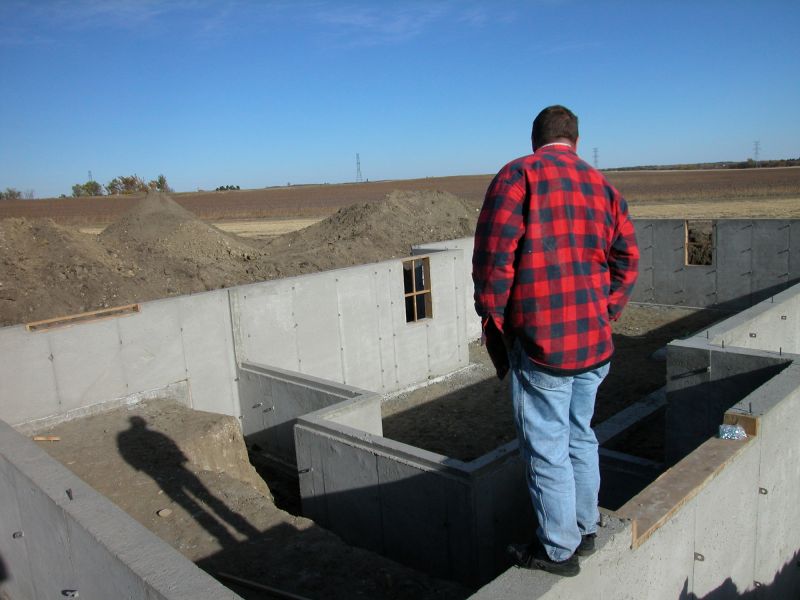
When evaluating commercial foundation inspection services, it is important to consider the experience of local contractors with similar projects. A contractor who has a proven track record handling commercial foundations can provide insights into potential issues specific to your property type and soil conditions. Reviewing their history of completed inspections for businesses or commercial properties can help ensure they understand the complexities involved and are capable of identifying underlying problems accurately.
Clear written expectations are essential when choosing a service provider for a commercial foundation inspection. Reputable local contractors should be able to outline what the inspection will cover, including the areas that will be examined and the types of issues that may be identified. Having these details in writing helps prevent misunderstandings and ensures everyone is aligned on the scope and purpose of the inspection, making it easier to make informed decisions based on the findings.
Good communication and reputable references are key indicators of a reliable service provider. Local pros who are transparent about their services and willing to provide references from previous commercial clients can give confidence in their professionalism and expertise. Open communication throughout the process allows property owners to ask questions, receive updates, and understand the inspection results clearly, which is vital for planning any necessary repairs or further evaluations.
Property owners often search for what to expect during a commercial foundation inspection when they are planning practical projects around their homes and businesses. Local pros provide Commercial Foundation Inspection services for everyday jobs and straightforward project options.
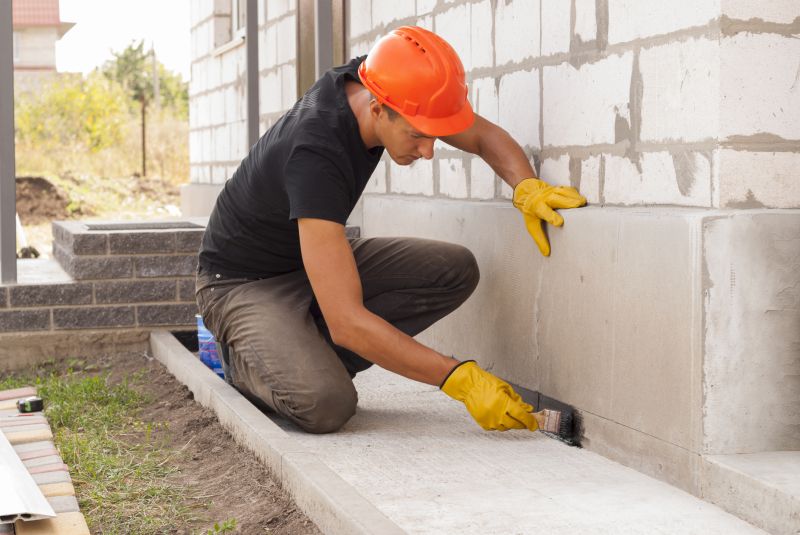
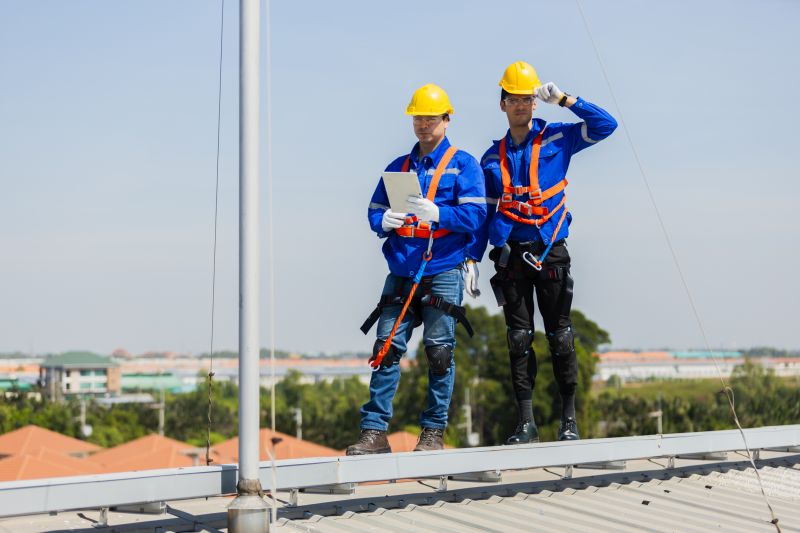
During a commercial foundation inspection, property owners can expect a thorough assessment of the building’s structural base. Local contractors typically begin with an exterior review, looking for visible signs of damage such as cracks, uneven surfaces, or shifting soil around the foundation. Inside the building, they may examine interior walls, floors, and support beams for any indications of settling or movement. This process helps identify potential issues early, providing property owners with a clearer understanding of the foundation’s condition and whether repairs or further evaluations might be necessary.
Many property owners in the area seek commercial foundation inspections to address concerns about stability or prior signs of foundation problems. Common situations include noticing cracks in walls, doors or windows that don’t close properly, or uneven flooring. Engaging experienced service providers can help determine the severity of these issues and recommend appropriate next steps. These inspections are a practical step to protect the long-term integrity of a commercial property and ensure it remains safe and functional for its occupants.
What areas are examined during a commercial foundation inspection? During a commercial foundation inspection, service providers typically evaluate the foundation’s structure, look for visible cracks or signs of settling, assess drainage and moisture conditions, and check for any surface or subsurface issues that could affect stability.
How do professionals identify foundation problems during the inspection? Professionals use visual assessments, measurement tools, and sometimes non-invasive testing methods to detect cracks, shifts, uneven surfaces, or other signs of foundation distress that may indicate underlying issues.
What should I expect to happen during the inspection process? The inspection generally involves a thorough walk-around of the building’s exterior and interior, where contractors examine accessible areas, take measurements, and note any irregularities or damages that could impact the foundation’s integrity.
Are there specific signs of foundation issues that local contractors look for? Yes, contractors look for signs such as cracks in walls or floors, uneven flooring, sticking doors or windows, and gaps around door frames, which can indicate foundation movement or shifting.
Will the inspection include recommendations for repairs or further assessments? While the primary goal is to evaluate the foundation’s condition, many service providers also offer guidance on necessary repairs or suggest additional testing if more detailed analysis is needed.
Inspection process overview - Understanding what happens during a commercial foundation inspection helps property owners prepare for the assessment with local contractors.
Signs of foundation issues - Recognizing common indicators like cracks or uneven floors can guide property owners in discussing concerns with service providers.
Tools and methods used - Learning about the equipment and techniques used by local pros can help owners understand how foundation conditions are evaluated.
Typical findings and next steps - Knowing what results to expect from an inspection allows property owners to plan for potential repairs or further evaluations with local contractors.
If you are thinking about what to expect during a commercial foundation inspection for a property, this guide is meant to help you understand this topic, the typical project types, and how different options might fit your plans.
When you are ready, you can use the quote form on this page to share a few details about your project. From there, local pros can review the basics and follow up with options that match what you have in mind.