Compare Local Contractors for Foundation Stabilizing Services
Compare local contractors for foundation stabilizing to define project scope, verify experience, and set clear expectations before choosing the right service provider.
Foundation stabilizing services typically involve assessing and addressing issues related to the stability of a property's foundation. This work can include techniques such as underpinning, piering, or installing support systems to prevent further settling or shifting. Contractors in this field often evaluate the extent of foundation movement, determine the underlying causes, and implement solutions designed to restore stability and protect the structure. Properly executed foundation stabilization can help maintain the integrity of a building, prevent costly damage, and ensure safety for occupants.
Clearly defining the scope of foundation stabilizing work is essential for property owners to set realistic expectations and ensure the project addresses specific needs. A detailed scope should outline the areas to be stabilized, the methods to be used, and any necessary preparatory or follow-up steps. This clarity helps prevent misunderstandings and provides a basis for comparing different service providers. When discussing the scope, property owners should verify that contractors understand the unique conditions of the site and have a plan tailored to those circumstances.
Comparing local contractors for foundation stabilizing involves evaluating their experience, reputation, and approach to scope definition. Property owners can benefit from reviewing credentials, seeking references, and understanding how each contractor plans to approach the work. It is also important to verify that contractors are transparent about the methods they propose and are willing to put the scope of work in writing. This documentation can serve as a reference throughout the project, helping ensure all parties share the same expectations and that the work aligns with the property’s specific requirements.
Compare local contractors by outlining project priorities, verifying experience, and clearly defining scope and expectations.
- Compare Contractor Experience - Review the backgrounds and project histories of local contractors to assess their expertise in foundation stabilizing.
- Define Project Scope Clearly - Establish detailed work descriptions and expectations to ensure alignment before work begins.
- Verify Credentials and References - Check references and verify experience to select qualified service providers for foundation work.
- Document Agreements in Writing - Ensure all project details, scope, and expectations are documented to prevent misunderstandings.
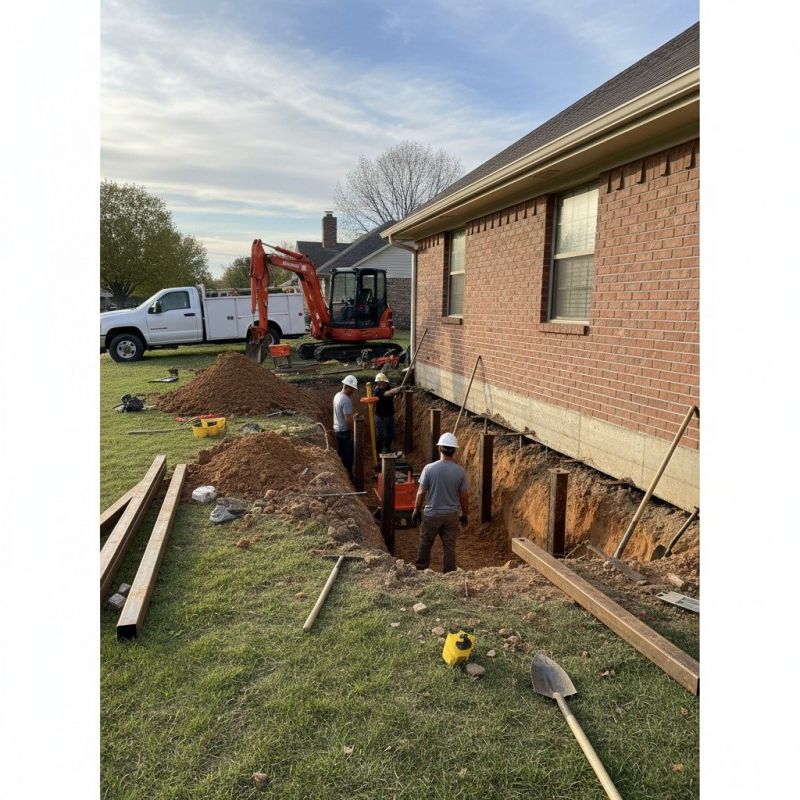
Before comparing contractors, clearly describe your foundation stabilizing project to help find qualified local service providers.
- Verify experience in foundation stabilization projects similar to the scope needed. - Ensure service providers clearly define the work involved and expected outcomes in writing.
- Compare the methods and techniques used by different local contractors for foundation stabilization. - Look for detailed explanations of the approaches and materials proposed.
- Check references or reviews to assess the reliability and quality of previous foundation stabilization work. - Confirm that past clients were satisfied with the results and professionalism.
- Discuss the scope of work thoroughly to prevent misunderstandings and ensure all necessary tasks are included. - Clarify what is and isn’t covered in the project plan.
- Request a written scope of work and detailed project plan from each service provider for comparison. - This helps in evaluating the completeness and clarity of each proposal.
- Confirm that the contractor’s experience aligns with the specific foundation issues present on the property. - Ensure they have relevant expertise for the particular stabilization challenges.
Use this to compare contractors, clarify scope, verify experience, and set clear expectations in writing.
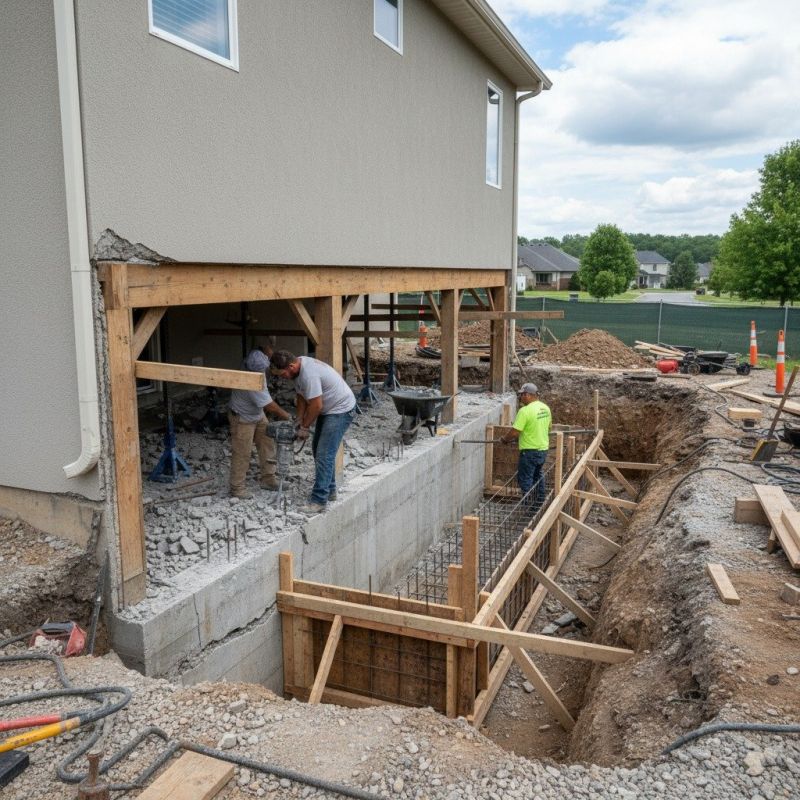
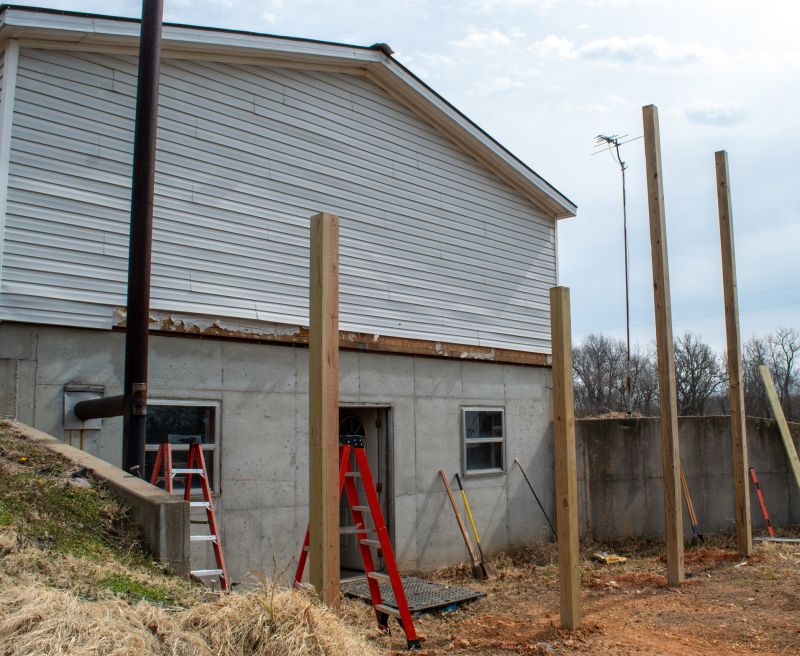
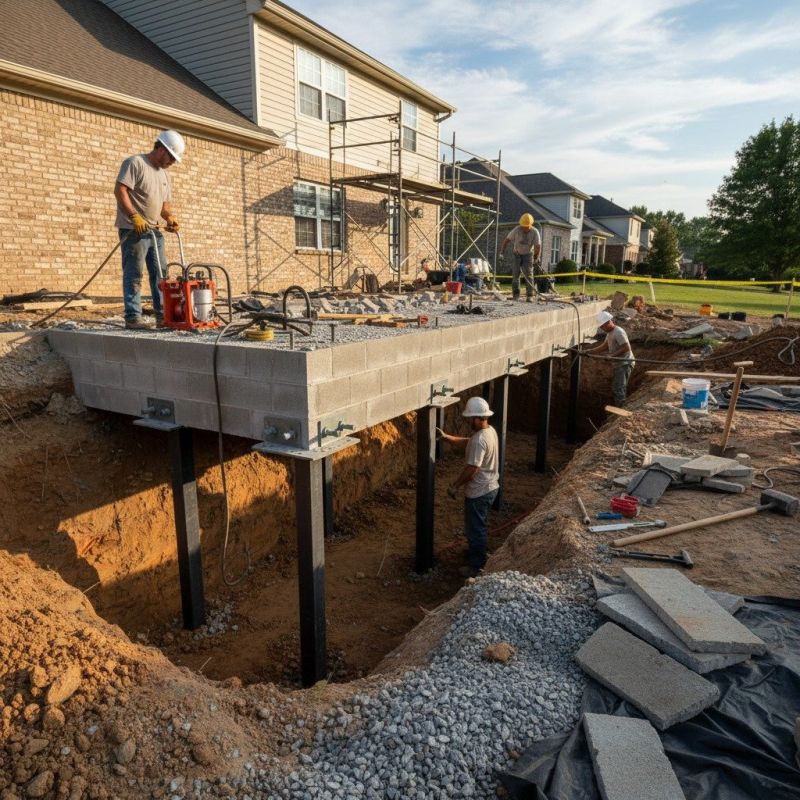
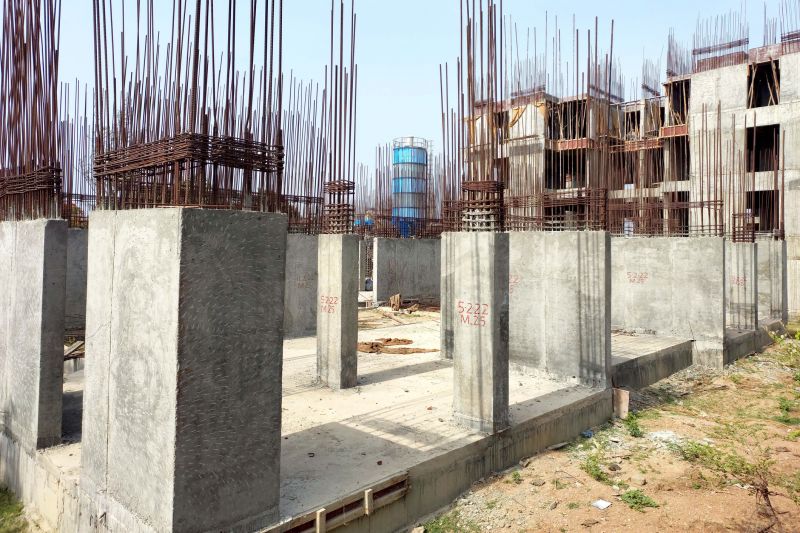
Learn how to compare contractor experience, define project scope, and establish clear expectations without prices.
- Define the scope of foundation stabilizing work to clarify the specific services and methods required for the project.
- Identify the experience and expertise of local contractors to ensure they have relevant background in foundation stabilization techniques.
- Establish clear project expectations in writing to outline the work process, materials, and responsibilities of each party.
- Compare different service providers based on their qualifications and approach to select the most suitable option for the project’s needs.
- Verify the communication process and availability of local contractors to facilitate smooth coordination and updates throughout the project.
When comparing contractors for foundation stabilizing, it’s important to consider their experience with similar projects. Homeowners should inquire about the types of foundation issues the contractors have handled in the past and whether they have worked on properties comparable to their own. A contractor’s familiarity with specific soil conditions, foundation types, and stabilization techniques can be a strong indicator of their ability to deliver effective solutions. Gathering details about previous projects helps ensure that the service providers have relevant experience and understand the complexities involved in foundation stabilization.
A clear, written scope of work is essential when evaluating potential contractors. The scope should outline the specific tasks to be performed, the methods to be used, and the materials involved. Having a detailed description helps prevent misunderstandings and sets realistic expectations for the project. Homeowners should seek proposals that specify the work’s extent and any necessary preparations or follow-up steps. This clarity allows for better comparison between service providers and ensures everyone is aligned on what the project entails.
Verification basics are key to confidently selecting a contractor. Homeowners should verify that the service providers have a solid track record of completing foundation stabilizing projects successfully. Asking for references or reviews from previous clients can provide insight into their reliability and quality of work. Additionally, confirming that the contractors are familiar with local building codes and standards can help prevent issues down the line. Proper verification helps ensure that the chosen service provider has the necessary experience and reputation to handle the project effectively.
Evaluating options without focusing on prices involves assessing the quality of proposals and the professionalism of each contractor. Homeowners should compare the clarity of scope, the level of detail in the work plan, and the experience each service provider demonstrates. It’s also helpful to consider how well each contractor communicates and whether they provide comprehensive explanations of their approach. By focusing on these factors, homeowners can make informed decisions based on the suitability and expertise of the service providers, rather than solely on cost.
Ask contractors to provide written scope details to ensure clarity and consistency throughout the foundation stabilizing project.
- Experience and Credentials - What experience do local contractors have with foundation stabilizing projects similar to this one?
- Scope of Work - How do contractors define and outline the specific scope of work for foundation stabilization?
- Methods and Techniques - What stabilization methods and techniques do local service providers typically recommend for this type of foundation?
- Project Expectations - How should the scope and procedures be documented to ensure clear expectations between parties?
- Comparing Contractors - What factors beyond price should be considered when evaluating and comparing local foundation stabilizing contractors?
How can I compare foundation stabilizing contractors? To compare local contractors, review their experience, services offered, and reputation through reviews or references. Ensuring clear communication about scope and methods helps identify the best match for the project.
What should I consider when defining the scope of foundation stabilization? Clearly outline the specific issues, desired outcomes, and any structural concerns. Providing detailed information helps contractors understand the work needed and prepare accurate proposals.
How do I verify the experience of a foundation stabilizing contractor? Ask for details about their past projects, areas of expertise, and the types of foundation issues they have addressed. Experienced contractors typically have a track record of similar work.
Why is it important to get work scope and expectations in writing? Having a written agreement ensures that all parties agree on the work to be done, materials used, and responsibilities, reducing misunderstandings and providing clarity for the project.
What questions should I ask a contractor before hiring for foundation stabilization? Inquire about their approach to stabilizing foundations, the methods they use, the experience they have, and how they handle unexpected issues during the project.
How can I ensure the contractor understands my foundation concerns? Communicate your specific issues clearly and ask how they plan to address them. Request detailed explanations of their proposed solutions to confirm understanding.
The information provided highlights the importance of understanding the scope of foundation stabilizing work, verifying the experience of service providers, and clearly defining project expectations in writing. By comparing different local contractors, visitors can make informed decisions that align with their specific needs. Utilizing the quote form allows for a straightforward way to explore options and connect with qualified service providers in the area.
Taking the time to evaluate local contractors ensures that the foundation stabilizing project is approached with clear communication and well-defined responsibilities. Using the quote form to compare options helps identify experienced service providers who can meet individual project requirements. This process supports making an educated choice tailored to each unique situation.